




The Story Behind the Name
The pass is believed to be named after John Levique, a French pirate and trader who lived in the area during the mid-1800s. According to local history, Levique was traveling through the area in his boat when the hurricane struck. He reportedly took shelter nearby and survived the storm that ultimately carved out the pass.
After the storm, locals began referring to the newly formed waterway as “John’s Pass” in recognition of Levique’s connection to the event. While some details of the story have become part of local folklore, the name has remained for more than 175 years.
A Hub for Fishing and Maritime Life
In the late 1800s and early 1900s, John’s Pass became an important center for the fishing industry along Florida’s Gulf Coast. Commercial fishermen used the pass as a convenient route to reach the rich fishing grounds of the Gulf of Mexico. Boats carrying grouper, snapper, and other local catches regularly passed through the inlet on their way to markets.
Small fishing communities began forming nearby, and docks and boat operations gradually expanded around the pass. The natural channel provided safe navigation for working boats and helped support the growing coastal economy.
The Development of John’s Pass Village
By the mid-20th century, Madeira Beach began evolving into a popular beach destination for visitors from around the country. As tourism grew, the area around John’s Pass transformed as well. Restaurants, shops, and charter fishing operations began opening along the waterfront.
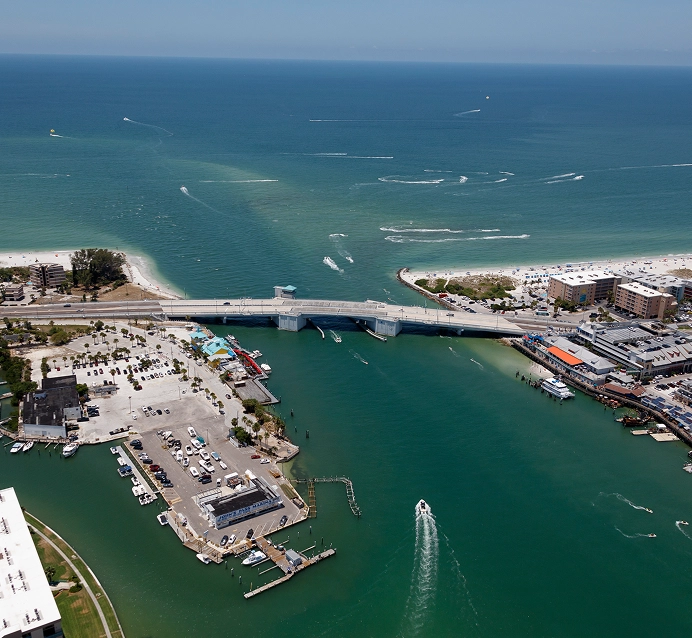
In the 1970s, John’s Pass Village and Boardwalk was developed to preserve the area’s fishing heritage while creating a welcoming destination for visitors. Wooden boardwalks were built along the waterfront, giving guests a place to walk, shop, dine, and watch boats travel through the pass.
Today, the village features dozens of local shops, seafood restaurants, fishing charters, dolphin tours, and watersports operators, making it one of the most visited attractions on Florida’s Gulf Coast.
John’s Pass Today
While John’s Pass has grown into a vibrant destination, it still maintains strong ties to its maritime roots. Fishing charters continue to depart daily, bringing anglers out to the Gulf in search of grouper, snapper, kingfish, and other prized catches. Dolphins are frequently spotted playing in the waters of the pass, and sunsets over the Gulf remain one of the area’s most memorable sights.
Visitors can explore the historic boardwalk, enjoy fresh seafood overlooking the water, shop for coastal gifts, or simply watch the boats pass through the inlet that was created by a hurricane nearly two centuries ago.
A Landmark of Madeira Beach
John’s Pass stands as a reminder of the powerful forces of nature that shape Florida’s coastline and the rich maritime history that followed. What began as a hurricane-carved channel in 1848 has grown into one of the most iconic waterfront destinations on the Gulf Coast.
Whether you’re heading out on a fishing charter, exploring the shops along the boardwalk, or watching boats glide through the inlet, John’s Pass continues to connect visitors with the history, culture, and beauty of Madeira Beach.
Ready to fish here? We’ve got you covered. Get started here!